
Workerbird started with one question at a 2018 hackathon: how can a low-wage worker tell whether they are being paid the legal minimum? The answer we kept finding was that workers rarely have their own record of their working lives. Platforms, employers and payroll hold the data. Workerbird built tools that gave it back, so people could see their real hourly rate, the skills they already use and where those skills could take them.
I founded it alone, and led a small team of developers who, like me, had retrained through Founders & Coders as well as UX and graphic designers.
Workerbird went through two accelerators: Bethnal Green Ventures Tech for Good, with £25k seed funding, and the RSA / Mastercard Economic Security Impact Accelerator, as one of twelve.



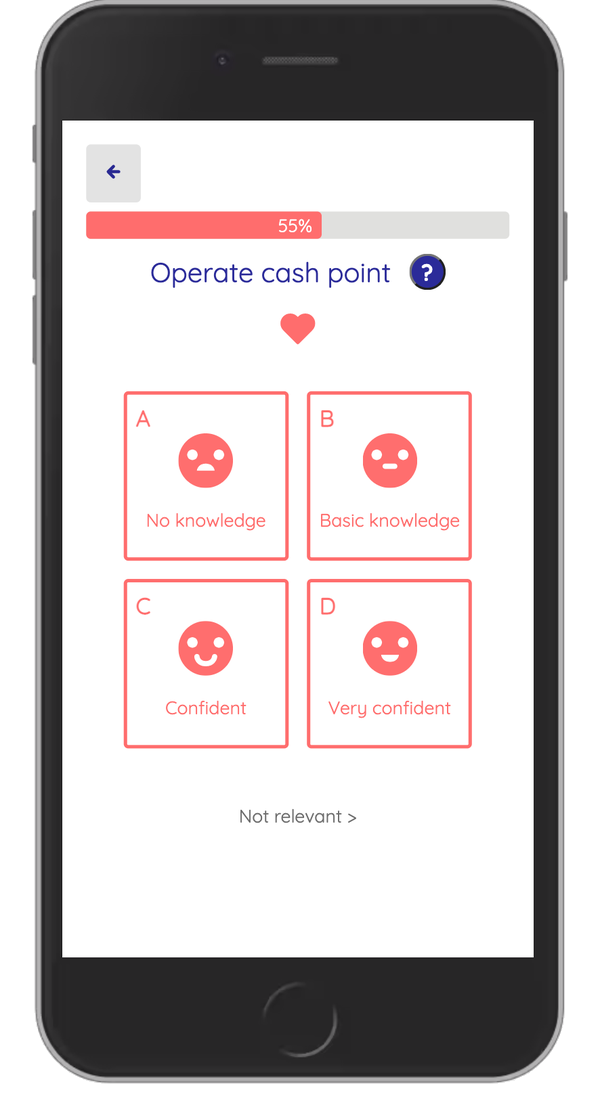
Career Mapper
In our interviews, workers struggled to name their own skills. Career Mapper turned that into a skills assessment and a Job Explorer comparing matched jobs on pay, hours, growth and automation risk. 460 union members took part, 60% wanted to see where their skills could transfer, and a live dashboard was built for our union partner with real-time results.
Read the Career Mapper case study →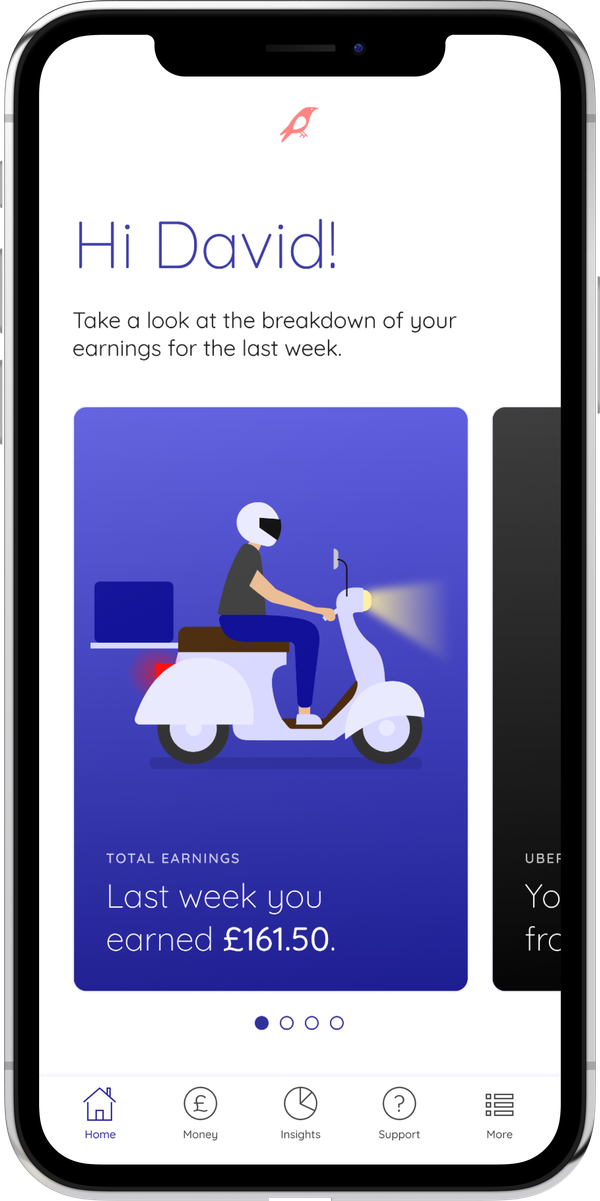
Gig Economy Challenge
As part of the Mayor of London's Resilience Fund, we interviewed riders across five platforms in five weeks to understand how to calculate whether they earned a living wage. Platforms count only time on the road, but riders also wait for jobs and at restaurants, often across several apps at once. We designed a tool to track real working time, expenses and pay per platform, and set out the policy questions that had to be answered first, such as whether standby time counts.
Read the gig workers case study →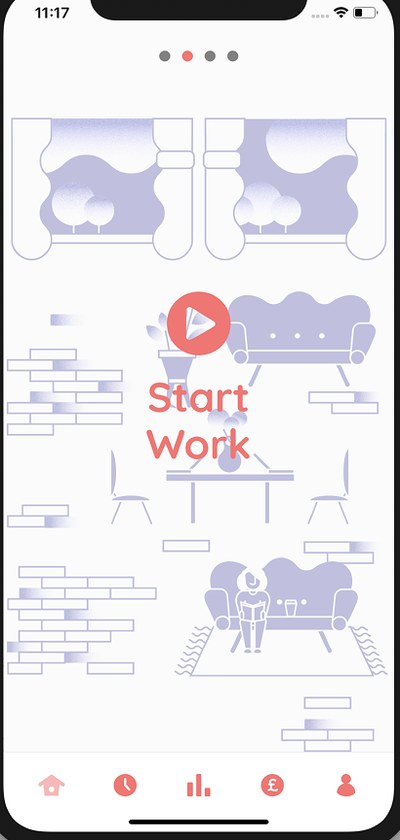
The Workerbird app
An iOS app for reflective tracking: workers log their day, work out their true hourly rate and reflect on what went well and what didn't. In the first lockdown we piloted it with parents working from home and could see how homeschooling hit men's and women's working hours differently.
Read the Workerbird app case study →I set out four design principles for worker-facing technology in How can tech be designed to support workers? for the RSA.