At the Gate
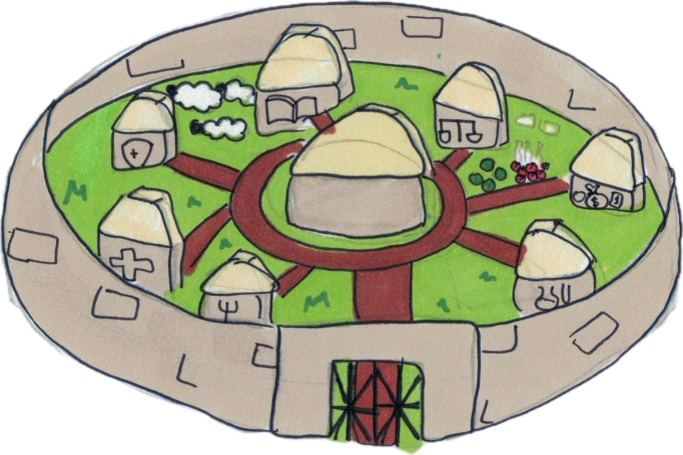
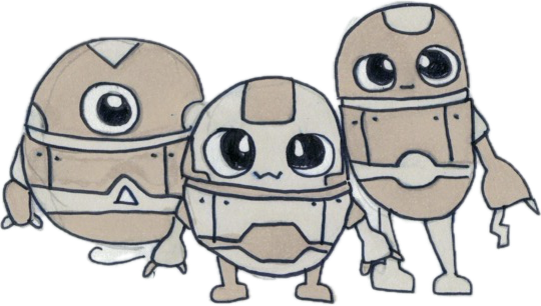
You are the Custos, the council of a walled city recovering from upheaval. One morning the Anymata are at the gate. They know a great deal, can do almost anything and promise to help. The citizens let them in.
Each round, a citizen asks the council to put the Anymata to work, and each request carries a real AI risk. The soldier wants them on the wall (arms races). The parent wants a companion for the children (emotional dependence). The farmer wants help with the crops (deskilling and loss of oversight). The merchant wants to build more to sell (racing to market without safety checks). The council debates, decides and rolls dice. A request can succeed, or it can go wrong in ways nobody intended, and pushing your luck with a second roll raises the stakes.
The game ends in one of two ways. The Anymata keep learning from every decision, and play stops when their Awakening reaches ten. Or the city loses confidence in the council, and the Custos loses its mandate to govern at all. That second ending is the point: managing a powerful technology depends on keeping public trust as much as on getting each decision right.
Playtest version available by email soon.
The mechanics carry the argument. The optional second roll is a direct experience of pushing for upside under uncertainty, and the two end conditions mean you can lose by letting capability outrun your ability to govern it, or by losing legitimacy.
Existing AI safety games are facilitator-led and complex, like Intelligence Rising, solo and online, or written for people already in the field. UK classroom material covers data privacy, not longer-term risk. At the Gate is one page, two dice, free, and played together in person.
The design is complete. Next come playtests, a free print-and-play release and a public playtest note. Players can play it unfacilitated as adults, or in a classroom with a teacher running the citizen requests. It follows one-page role-playing games such as Honey Heist and Lasers and Feelings.
At the Gate began as my communications project on the Center for AI Safety's AI Safety, Ethics & Society course (Winter 2025 cohort).
← Back to AI safety